
Before we even start a root canal, I tell every patient the same thing: recovery from this procedure is almost always much easier than the infection that made you need it in the first place.
Still, “easier than an abscess” isn’t exactly a detailed answer to “what are the next few days going to feel like?” So here’s the honest breakdown — day by day, what’s normal, what’s not, and what to do to make recovery as smooth as possible.
Before We Get to Day 1: What Just Happened
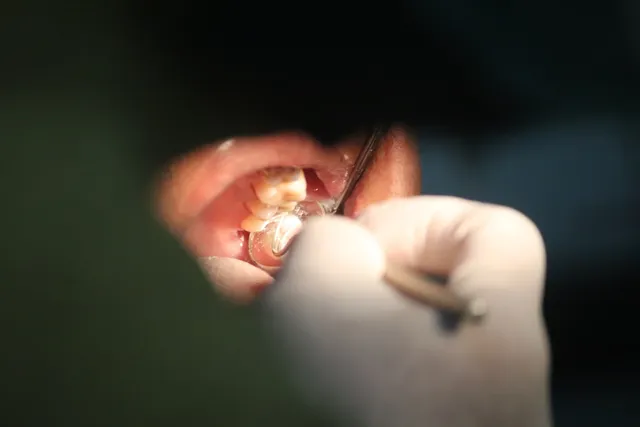
Understanding recovery starts with understanding what we actually did during the procedure. We removed the infected or dying pulp tissue from inside your tooth, cleaned and disinfected the root canals, and filled and sealed them. The tooth itself is now free of infection, but the surrounding bone and tissue — which were inflamed from the infection — need some time to settle down.
Think of it this way: the tooth was a source of pressure and inflammation for weeks or months before you came in. That surrounding tissue has been angry. We’ve removed the cause, but the tissue needs a few days to realize the problem is gone.
Day 1: Right After the Procedure
What you’ll feel: Mostly numb. Local anesthesia typically lasts 2–4 hours after you leave the office. Your lip, cheek, and tongue on the treated side may feel thick and uncooperative. This is normal — don’t panic if smiling feels lopsided.
What to do:
- Don’t eat until the numbness has worn off. It’s surprisingly easy to bite your cheek or tongue when you can’t feel it.
- Take ibuprofen proactively — before the anesthesia wears off, not after you’re already sore. I usually recommend 400–600mg of ibuprofen with food as the numbness starts to fade. Getting ahead of inflammation is easier than chasing it.
- Start with soft foods. Nothing that requires significant biting force.
- Avoid the treated side for chewing.
What’s normal:
- Mild to moderate soreness as the anesthesia fades
- The tooth feeling slightly “different” — sometimes patients describe a sense of pressure or fullness in the area
- Slight jaw soreness from keeping your mouth open during the procedure
What to watch for:
- Severe, worsening pain that doesn’t respond to ibuprofen — this is uncommon but warrants a call
- Swelling that worsens significantly over the first few hours — this should be addressed promptly
Day 2: Peak Soreness
For most patients, the second day is the most uncomfortable day of recovery. The anesthesia is long gone, the area is healing, and the tissues around the root are still inflamed.
What you’ll feel: Tenderness in the area, particularly if the tooth is touched or if you accidentally bite down on it. Some patients feel mild aching that radiates along the jaw. The tooth may feel slightly elevated — like it’s sitting a little higher than the surrounding teeth. This is caused by inflammation in the periodontal ligament and resolves on its own.
What to do:
- Continue taking ibuprofen as directed, typically every 6–8 hours with food. If you can’t take ibuprofen, acetaminophen is an acceptable alternative.
- Eat soft foods: scrambled eggs, yogurt, smoothies, soft pasta, mashed potatoes, soup. Avoid anything that requires hard chewing or that is very hot or very cold.
- Avoid chewing on the treated side.
- Keep up with normal brushing and flossing everywhere else in your mouth — just be gentle near the treated tooth.
What’s normal:
- Mild to moderate soreness that peaks today and starts to improve by tomorrow
- The tooth being tender to touch or biting pressure
- Mild swelling in the gum tissue directly around the tooth
What’s NOT normal (call us if this happens):
- Severe pain that isn’t manageable with over-the-counter medication
- Swelling spreading to the cheek, jaw, or neck
- Difficulty swallowing or breathing (seek emergency care immediately)
- A fever above 101°F that doesn’t resolve with over-the-counter fever reducers
Day 3: Turning the Corner
Day 3 is where most patients start to feel meaningfully better. The inflammation is beginning to settle, and for many people, this is the day they stop thinking about the tooth.
What you’ll feel: Noticeably less soreness. The tooth may still be a little tender if you bite down hard on it, but the constant background ache from Day 2 should be fading. If you were experiencing swelling, it should be visibly reduced.
What to do:
- You can begin to reduce ibuprofen frequency as comfort improves — take it as needed rather than on a strict schedule.
- Introduce slightly firmer foods as tolerated. Still avoid anything requiring hard biting on the treated side.
- Most patients can return to normal activities — work, exercise, regular routines — by Day 3.
What’s normal:
- Residual mild tenderness, especially to direct pressure on the tooth
- Continued preference for soft foods
- Occasional awareness of the tooth, particularly when eating
Day 4–7: Back to Normal
For the majority of patients, days 4 through 7 represent a return to essentially normal function. The tooth is no longer dominating your awareness. You’re eating normally — perhaps still being cautious about biting directly on that tooth, which is appropriate — and the soreness is minimal or gone entirely.
What to do:
- Continue avoiding hard, crunchy foods that put direct force on the treated tooth — popcorn, hard candies, ice, crusty bread — until the permanent crown is in place.
- Keep your follow-up appointment. We’ll need to check how the tooth is healing and, in most cases, take the next step toward placing the permanent crown.
- If you were prescribed antibiotics before or during the root canal, finish the full course.
What’s normal:
- A return to normal eating with the one caveat about not biting hard on the treated tooth
- Little to no pain at rest
- Minor sensitivity that’s manageable without medication
If you’re still having significant pain at Day 7: Call us. This is uncommon, but it does happen. Sometimes a small number of canals weren’t accessible during the initial treatment (this can occur with unusual anatomy), or the infection around the root tip needs more time to resolve and may require a follow-up procedure. It’s manageable, but I want to know about it.
The Crown: Step 2 of the Recovery
A root canal isn’t truly finished until the permanent crown is in place. This is an important distinction that affects how you should think about the recovery period.
After the root canal, the tooth has a temporary restoration sealing the access opening. This is NOT a permanent fix — it’s designed to protect the tooth until we can place the crown, which typically happens 2–4 weeks after the root canal depending on scheduling and healing.
During the interim period:
- Don’t chew hard foods on the treated tooth. The temporary filling is durable but not as strong as a crown. A fracture now — before the crown — can turn a simple situation into a more complicated one.
- Keep the area clean. Brush and floss normally. The temporary filling can be dislodged by aggressive flossing directly around it, so be gentle there specifically.
- Watch for the temporary filling coming loose. If you feel the filling shift or notice a change in how the tooth feels, call us. We’ll get you in to replace it.
Once the crown is placed, the tooth is fully restored and you can treat it like any other tooth in your mouth.
What the Crown Procedure Involves
For most patients, the crown appointment involves:
- Removing the temporary restoration
- Preparing the tooth (shaping it slightly to receive the crown)
- Taking a digital scan or impression
- Placing the permanent crown — usually at the same appointment with our digital workflow
The crown appointment itself is painless. The tooth has no living nerve tissue, so you feel almost nothing during the preparation. We may use a small amount of local anesthetic to keep the surrounding gum tissue comfortable, but many patients don’t need it.
Once the crown is cemented, you may experience mild sensitivity around the gumline for a few days while the tissue adjusts. This is short-lived and responds well to ibuprofen.
Longer-Term Recovery: The Bone Heals Too
Here’s something most patients don’t realize: the bone around the root tip continues healing for weeks to months after the root canal.
Before your procedure, there may have been a periapical lesion — an area of infection-damaged bone at the root tip, visible as a dark shadow on the x-ray. After a successful root canal, the infection source is gone and the body can begin rebuilding that bone. This process takes 3–6 months and doesn’t cause symptoms — you won’t feel it happening.
At your follow-up appointment and at your next regular checkup, I’ll take a new x-ray to compare against the original. Watching that dark shadow shrink and eventually disappear is one of the more satisfying things in dentistry. It confirms the treatment worked.
Tips for the Smoothest Possible Recovery
Based on 20+ years of watching patients heal, here’s what consistently makes a difference:
Take the ibuprofen before the numbness wears off. This is the single most effective thing you can do for a comfortable recovery. Once inflammation gets ahead of you, it’s harder to get under control.
Eat soft, lukewarm foods for the first 48 hours. Not because we’re being overly cautious, but because your jaw and the surrounding tissue genuinely appreciate not being stressed while they’re healing.
Don’t skip the crown. I see this sometimes — patients feel fine after the root canal, assume the tooth is fixed, and delay or skip the crown appointment. The tooth is not finished without the crown. It can fracture. Please don’t let a successful root canal become a more serious problem because the crown was skipped.
Keep us in the loop. If something feels wrong — pain that’s getting worse instead of better, swelling that’s spreading, anything that concerns you — call. We’d rather hear from you and tell you everything’s normal than have you tough it out when something actually needs attention.
What Should Have Happened by Now?
A simple reference:
| Timeframe | Expected Status |
|---|---|
| Day 1–2 | Numbness fading, mild to moderate soreness |
| Day 3–4 | Soreness meaningfully reduced |
| Day 5–7 | Minimal discomfort, normal activity |
| Week 2–4 | Permanent crown placed |
| Month 3–6 | Bone healing confirmed on x-ray follow-up |
If your experience is significantly different from this timeline — particularly if you’re in severe pain or the pain is getting worse rather than better — don’t wait it out. Call us.
You Did the Hard Part
I always tell patients after a root canal: the infection was the hard part. Sitting through that pain, waiting, hoping it would go away on its own — that was the hardest part. The procedure itself, for most people, is far easier than what preceded it.
Recovery follows the same pattern. A few days of managed discomfort, a crown appointment a few weeks out, and then a tooth that functions normally for years to come. Most patients forget they even have that tooth within a month of the crown being placed.
If you’re reading this because you know you need a root canal and you’re wondering what you’re in for, I hope this helps. And if you want to know whether your tooth actually needs one before you commit to anything, come in and let me take a look. The earlier we address it, the simpler the whole process.
Frequently Asked Questions About Root Canal Recovery
Can I go to work the next day after a root canal?
Most patients do. There’s no medical reason you need to take time off, and the vast majority of people manage Day 2 soreness with over-the-counter ibuprofen without it significantly affecting their ability to work. If you have a physically demanding job or a job that requires a lot of talking, you might prefer to plan it on a day where you have a lighter workload.
Can I eat normally after a root canal?
Within a few days, yes — with one ongoing caveat. Until the permanent crown is placed, avoid putting hard biting force on the treated tooth. That means cutting out hard foods like nuts, popcorn, hard candies, and ice on that side. Once the crown is in, no restrictions.
Is it normal to feel like the tooth is raised up after a root canal?
Yes, and it’s one of the more surprising sensations for patients who haven’t been told about it. The periodontal ligament around the root is inflamed, which can make the tooth feel like it’s sitting higher than the surrounding teeth. This resolves on its own as the inflammation settles — usually within a few days.
What if my temporary filling falls out before the crown appointment?
Call us. We’ll get you in to replace it. A tooth without the temporary filling is exposed to bacteria and at risk of fracture. Don’t wait on this one.
How long does the soreness last?
For most patients, meaningful soreness peaks at Day 2 and is largely resolved by Day 4–5. Some patients have a touch of lingering sensitivity for 1–2 weeks, particularly if the infection was significant. Persistent pain beyond one week warrants a call — not because it’s necessarily a problem, but because I want to know about it and rule out any complications.
Questions about your specific recovery? Call Peninsula Dentistry in Huntington Beach at (714) 374-8800 or send us a message online. We check in on patients after root canal procedures — your recovery matters to us.