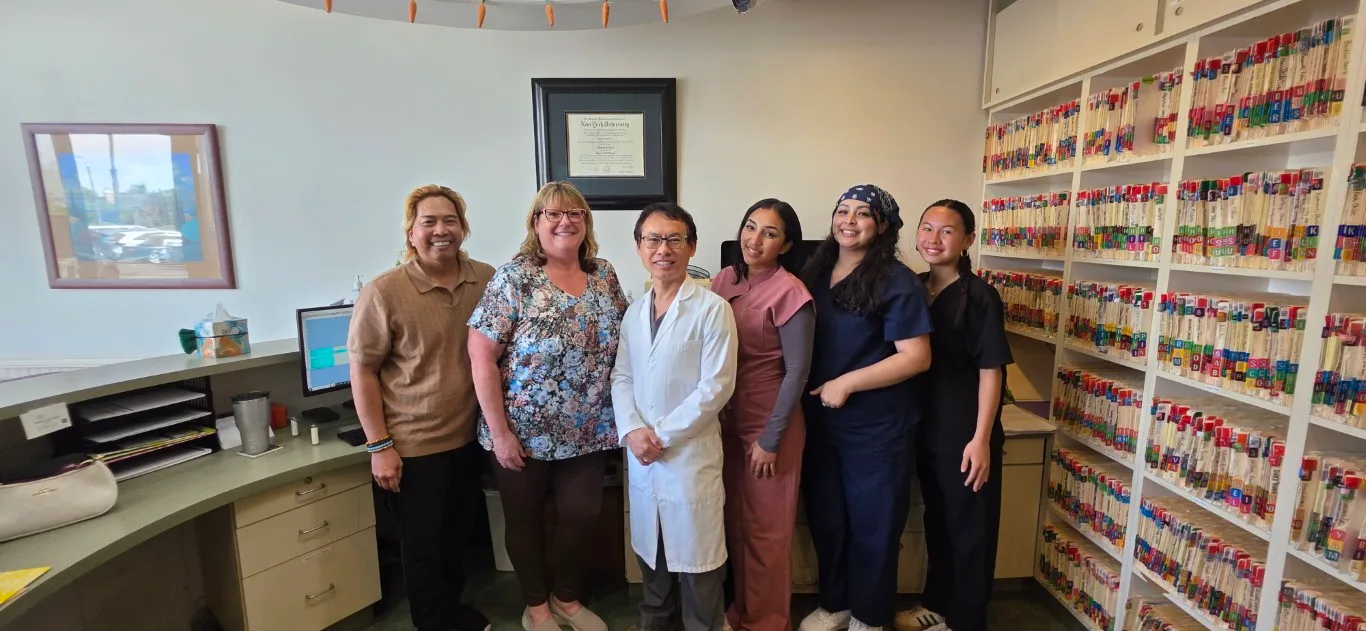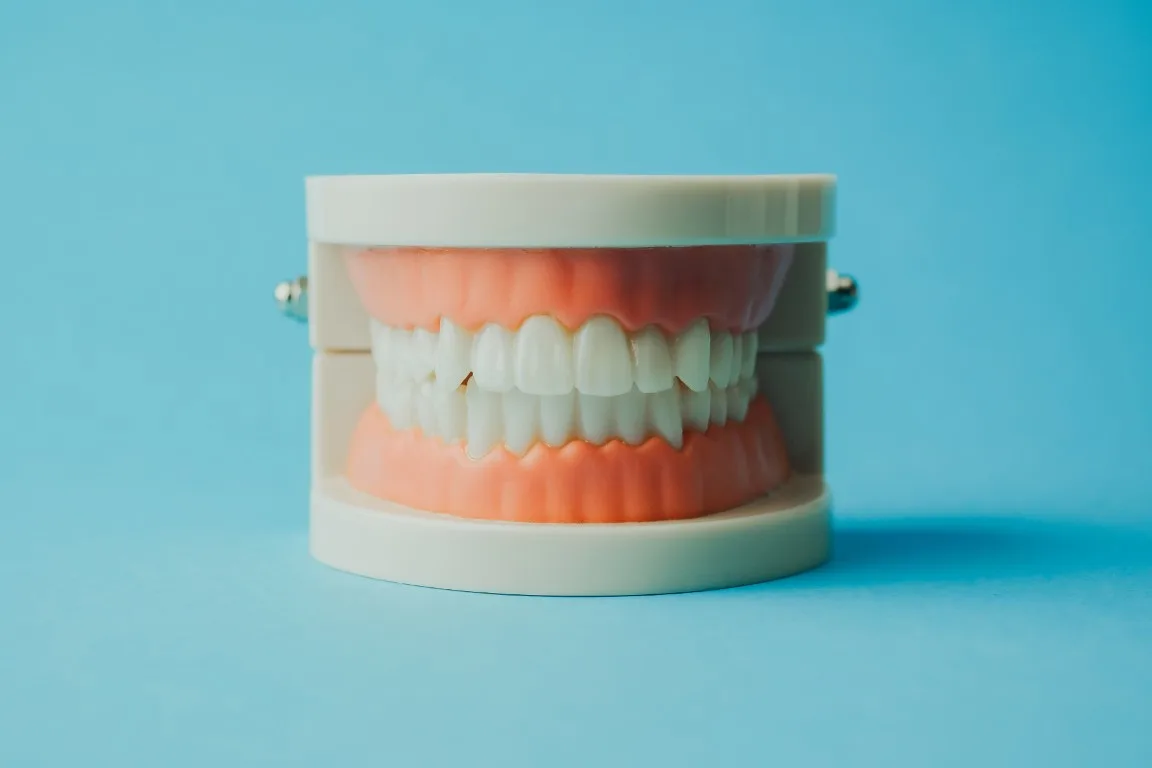
The dentures vs dental implants conversation is one of the most consequential decisions in restorative dentistry — the choice shapes your daily comfort, your bone health, and your total cost over the next 20 years. There’s no universal right answer. I’ve placed both at Peninsula Dentistry in Huntington Beach for 20+ years, and the honest truth is that each has patients it serves better. This post is the straight comparison: what each option costs upfront, what each feels like day to day, and how the numbers actually shake out over a decade or two.
The Short Answer
Dentures cost less to start and can be delivered faster. Implants cost more upfront but preserve bone, feel closer to natural teeth, and usually cost less over a 20-year window when you factor in denture replacements and adhesive. If comfort and long-term function are the priority and your finances allow it, implants win the comparison for most patients. If upfront cost is a hard ceiling, modern dentures — especially implant-supported hybrids — are a legitimate solution.
Cost Comparison: Dentures vs. Dental Implants
Here are the 2026 numbers we quote at Peninsula Dentistry. These are honest ranges for Orange County, not the deceptive low anchors you’ll see in some ads.
Dentures:
- Complete conventional dentures (upper or lower): $1,500 – $3,500
- Premium dentures with better fit and aesthetics: $3,500 – $5,000
- Partial dentures: $1,200 – $3,000
- Immediate dentures (worn same day as extraction): $2,000 – $4,000
Dental implants:
- Single-tooth implant (post + abutment + crown): $3,500 – $5,500
- Implant-supported bridge (2 implants, 3–4 teeth): $6,000 – $12,000
- Full-arch implant restoration (All-on-4/All-on-X): $18,000 – $30,000 per arch
- Implant-supported denture (2–4 implants, snap-on denture): $6,000 – $15,000 per arch
The implant-supported denture line is worth pausing on — it’s the honest middle ground. You keep the denture cost profile while gaining most of the bone preservation and stability benefits of implants. For deeper detail on single-implant pricing, our full dental implant cost breakdown for Huntington Beach walks through what each component costs and why.
Dental insurance typically covers 25–50% of dentures. Implant coverage is inconsistent — some plans pay the crown but not the post, others exclude implants entirely. We verify your specific benefits before you commit either way.
Comfort Comparison: Day-to-Day Experience
This is where the two options actually differ most, and where patients tell me they wish they’d known before choosing.
Chewing. Implants restore roughly 90% of natural chewing force. Conventional dentures restore 20–30%. That gap shows up at every meal — steak, crusty bread, apples, corn on the cob. Implant-supported dentures land in between, closer to 60–75%.
Taste. Upper dentures cover the roof of the mouth (the palate), which dampens taste perception. Many patients don’t realize how much they’ve lost until it comes back with implants or a palate-free implant-supported design.
Speech. Both options require an adjustment period. Dentures can slip during “s” and “f” sounds, especially in the first few weeks. Implants don’t move, so speech normalizes quickly.
Movement and adhesive. Conventional dentures shift with laughter, coughing, and certain foods. Adhesive helps but is a daily hassle patients often underestimate at the consultation stage. Implants don’t move at all.
Sleeping and cleaning. Conventional dentures come out at night and go in a soaking solution. Implants stay in and are brushed and flossed like natural teeth.
The American Dental Association’s patient overview of dentures covers the adjustment period honestly. It’s a real thing — 4–8 weeks for most patients — and worth planning for if you go the denture route.
Longevity, Bone Health, and What Changes Over 10+ Years
This is the section that most tips the decision for patients thinking long-term.
Dentures. A well-made conventional denture lasts 5–10 years before it needs to be relined or replaced — not because the material fails, but because your jawbone shrinks underneath it. That shrinkage happens because there are no tooth roots stimulating the bone. Over 10–20 years, denture wearers lose measurable jaw height, which changes facial appearance and makes future dentures progressively harder to fit.
Implants. The implant itself is designed to last a lifetime. The crown on top typically lasts 15–25 years. Because the implant post integrates with your bone the way a tooth root would, bone loss essentially stops at the implant site. If you want the fuller picture of what implant treatment involves start to finish, our patient guide on dental implants in Huntington Beach is the honest walk-through.
Run the 20-year math: two sets of dentures ($3,000–$7,000 total) plus adhesive plus relines lands in the same ballpark as a couple of single-tooth implants — with worse chewing and progressive bone loss along the way. That’s why implants often cost less than they appear upfront over a real timeline.
For anyone who’s been told they need bone grafting before implant placement, our post on bone grafts before dental implants explains what that adds and when it’s genuinely necessary.
When Dentures Are Actually the Better Choice
I don’t push implants on every patient. Dentures are the right call when:
- Budget is a hard ceiling and financing isn’t feasible. A well-made denture is a legitimate solution — not a compromise you should feel bad about.
- Multiple health conditions make surgery risky. Uncontrolled diabetes, active chemotherapy, blood thinners that can’t be paused, and certain bone-density medications can make implants a poor choice.
- You’ve worn dentures successfully for years and adaptation is easy. For a long-time denture wearer whose ridges are still stable, a well-made new set may serve you better than switching to implants late in life.
- Rapid tooth loss timeline. If you’re losing many teeth in a short window and need a functional smile fast, an immediate denture bridges the gap while you decide on long-term treatment.
When Implants Make More Sense Financially in the Long Run
The opposite calculation:
- You’re under 65. Implants preserve bone for the rest of your life; dentures accelerate its loss. That difference compounds.
- You already grind or clench. Grinders wear through dentures fast. Implants handle bite force better.
- You’ve lost only one or a few teeth. A single implant preserves the neighboring teeth. A traditional bridge requires filing down the healthy teeth on either side. If you’re weighing that specific decision, bridges vs. implants covers the tradeoff in detail.
- You want your face to look the same in 15 years. Bone loss under dentures visibly shortens the lower third of the face over time. Implants prevent this.
Our full restorative dentistry approach maps every case against these criteria before we recommend either path — the dentures or dental implants service pages have the treatment-side details for each option.
Frequently Asked Questions
How much do dental implants cost compared to dentures in Huntington Beach?
A single implant runs $3,500–$5,500. A full set of quality dentures runs $1,500–$5,000. Full-arch implant solutions (All-on-4) are $18,000–$30,000 per arch — more upfront than dentures but competitive over a 20-year timeline.
Does insurance cover dental implants?
Coverage varies widely. Most PPO plans cover the crown portion of an implant but exclude the post and abutment. Some plans exclude implants entirely and only cover the equivalent cost of a denture. We verify your specific benefits before any treatment.
Can dentures be as comfortable as implants?
Not quite, honestly. Well-made dentures adapt reasonably well after 4–8 weeks, but chewing force and stability remain lower than implants. Implant-supported dentures close most of that gap while keeping costs closer to conventional dentures.
How long do dental implants last vs. dentures?
Implants are designed to last a lifetime; crowns on top typically last 15–25 years. Dentures need relining every 2–5 years and replacement every 5–10 years, primarily because underlying bone shrinks.
Am I too old for dental implants?
Age alone isn’t a disqualifier. I’ve placed implants in patients in their 80s who healed beautifully. What matters is bone quality, overall health, and whether you can tolerate a minor surgical procedure. A consultation with a 3D scan gives a clear answer for your specific case.
Can I switch from dentures to implants later?
Yes, but with a caveat. Long-term denture wearers often need bone grafting first because the jawbone has shrunk. That adds cost and time. The earlier the switch, the simpler the procedure.
Related Reading
- Dentures vs. Dental Implants: Which Is the Better Choice for You?
- Dental Bridges vs. Implants: When Each One Makes Sense
- Dental Implant Cost in Huntington Beach: Real Numbers for 2026
Weighing dentures vs dental implants for yourself or a family member? Call Peninsula Dentistry in Huntington Beach at (714) 374-8800 or book a consultation online. Dr. Tran will take a 3D scan, walk through both options with real numbers for your specific case, and give you a straight recommendation — no upsell, just what’s honestly best for the mouth in front of him.

Dr. Kenneth Tran, DDS
AuthorDr. Tran earned his DDS from NYU College of Dentistry and has practiced dentistry in Huntington Beach for over 20 years. He provides comprehensive care from routine cleanings to complex implant cases at Peninsula Dentistry.