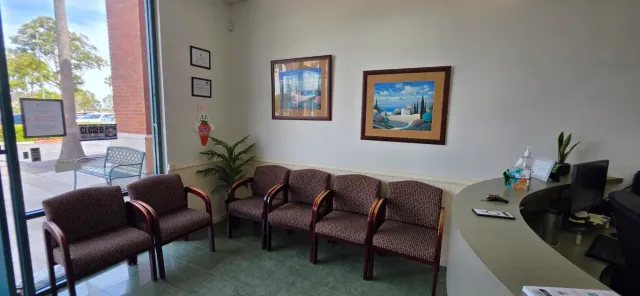

Here’s a number that bothers me every year: Americans leave an estimated $150 billion in unused dental insurance benefits on the table annually. That’s money you’ve already paid for through premiums — money that disappears on December 31 if you don’t use it. Gone. No rollover, no refund, no credit toward next year. Just gone.
I’ve been running a dental practice in Huntington Beach for over 20 years, and every November and December, we see a flood of patients scrambling to use their remaining benefits before the deadline. Some make it. Some don’t — and they lose hundreds or even thousands of dollars in coverage they’d already earned.
I don’t want that to be you. So let me break down how dental insurance actually works, how to squeeze every dollar out of your plan, and some strategies that most people never think of.
The “Use It or Lose It” Reality
Most dental insurance plans operate on a calendar year — January 1 through December 31. Your plan gives you:
-
An annual maximum. This is the most your plan will pay toward your dental care in a single year. For most PPO plans, this ranges from $1,000 to $2,500. Once you’ve used that amount, you’re paying 100% out of pocket until January 1 resets the clock.
-
A deductible. This is what you pay before insurance starts covering anything (usually $25-$75 for individual coverage). You pay this once per year.
-
Coverage percentages that vary by type of service (more on this below).
The key point: when the clock strikes midnight on December 31, your unused benefits, your met deductible, and your remaining annual maximum all reset to zero. Your premiums don’t change, but you get zero credit for what you didn’t use.
This is fundamentally different from medical insurance, where unused benefits don’t matter as much because you’re mainly paying for coverage in case of emergency. Dental insurance is designed to be used proactively — it rewards you for getting preventive care and penalizes you for avoiding it.

The 100/80/50 Breakdown: What Your PPO Typically Covers
Most PPO dental plans use a tiered coverage structure. Understanding this is the first step to maximizing your benefits:
Preventive Care — Usually Covered at 100%
This is where you get the most value with the least effort:
- Two cleanings and exams per year — typically covered at 100%, meaning zero out-of-pocket cost to you
- Routine X-rays — bitewings once a year, full-mouth X-rays every 3-5 years
- Fluoride treatments — typically covered for children, sometimes for adults
- Oral cancer screenings — included with your exam
If you’re paying for dental insurance and not getting your two annual cleanings, you’re literally leaving free money on the table. These visits don’t count against your annual maximum on most plans, meaning they’re 100% gravy.
Basic Procedures — Usually Covered at 80%
These are common treatments that most people need at some point:
- Fillings (composite or amalgam)
- Simple extractions
- Periodontal treatments (scaling and root planing)
- Root canals on front teeth
Your plan pays 80%, you pay 20%. On a $300 filling, your cost is $60. That’s significant savings — but only if you actually get the work done while you have coverage.
Major Procedures — Usually Covered at 50%
This is where costs get real, and where strategic planning matters most:
- Crowns
- Bridges
- Dentures
- Implants (some plans)
- Root canals on molars
- Wisdom teeth extractions (surgical)
Your plan pays 50%, you pay 50%. A crown that costs $1,200 means your plan covers $600 and you pay $600. Still a significant benefit — but you need to plan ahead, because a couple of major procedures can eat through your annual maximum quickly.
What’s Typically Not Covered
- Cosmetic procedures (teeth whitening, veneers for purely cosmetic reasons)
- Orthodontics (sometimes covered under a separate rider, often with a lifetime maximum)
- Implants (some older plans exclude them, though this is changing)
Always verify your specific plan. Coverage varies by carrier and employer.
Smart Strategies to Maximize Your Benefits
Strategy 1: Never Skip Your Preventive Visits
I can’t stress this enough. Two cleanings and exams per year, covered at 100%, are the single best deal in your insurance plan. They cost you nothing out of pocket, they don’t count against your annual maximum, and they catch problems early — when treatment is cheaper and less invasive.
If you only do one thing after reading this post, schedule your two cleanings. If you haven’t had your first cleaning this year, call us today.
Strategy 2: Stack Treatment Across Calendar Years
This is the strategy that can save you the most money, and most people don’t know about it. Here’s how it works:
Let’s say you need two crowns. Each costs $1,200, and your plan covers 50% with a $1,500 annual maximum.
If you do both crowns in one calendar year:
- Crown 1: Insurance pays $600, you pay $600
- Crown 2: Insurance pays $600, but wait — you’ve now hit your $1,500 annual max (including deductible and other treatments). Insurance may only cover a portion of the second crown.
- Total out-of-pocket: potentially $1,200+
If you do one crown in December and one in January:
- Crown 1 (December): Insurance pays $600 from this year’s benefits. You pay $600.
- Crown 2 (January): Insurance pays $600 from next year’s freshly reset benefits. You pay $600.
- Total out-of-pocket: $1,200, with full insurance benefit applied to both.
Same treatment, same quality, same dentist — but strategic timing means you get more from your insurance. When we develop treatment plans at Peninsula Dentistry, we build this kind of scheduling into the conversation. Our front desk team is great at helping patients figure out the optimal timing.
Strategy 3: Don’t Let a “Watched” Tooth Become an Emergency
Here’s what I see constantly: a patient comes in, I find a small issue — maybe a cracked filling or a tooth that’s showing early signs of a problem. I recommend treatment. The patient says, “It doesn’t hurt, let’s wait.”
Six months later, it hurts. Now instead of a $200 filling, we’re looking at a $1,200 crown or a $1,500 root canal. The patient’s annual maximum is half gone from earlier treatments, and they’re facing a bigger bill.
Dental problems don’t get cheaper with time. They get more expensive, more uncomfortable, and more complex. If your dentist recommends treatment and you have available benefits, getting it done now is almost always the financially smarter move.
Strategy 4: Check Your Benefits Mid-Year
Don’t wait until October to find out how much of your annual maximum you’ve used. Call your insurance company or check their website/app in June or July. Know exactly:
- How much of your annual maximum remains
- Whether you’ve met your deductible
- What procedures are covered and at what percentage
- Any waiting periods for specific treatments
This gives you time to plan. If you have $800 in unused benefits and your dentist has recommended a filling and a night guard, you can schedule strategically to use those benefits.
Strategy 5: Use Your FSA/HSA Before It Expires
If you have a Flexible Spending Account (FSA) or Health Savings Account (HSA) through your employer, these can cover dental expenses:
FSA (Flexible Spending Account):
- Use-it-or-lose-it: most FSA funds expire at the end of the calendar year (some employers offer a small grace period or up to a $660 rollover for 2026, but don’t count on it)
- Can be used for dental copays, deductibles, and procedures not covered by insurance
- Can cover orthodontics, night guards, and other out-of-pocket dental costs
- Rolls over indefinitely — no expiration
- Triple tax advantage: contributions are pre-tax, growth is tax-free, withdrawals for medical expenses are tax-free
- Can be used for the same dental expenses as an FSA
If you have FSA money that needs to be spent, dental work is one of the smartest ways to use it. Teeth whitening, a night guard you’ve been putting off, or that filling your dentist recommended — all eligible expenses.
What to Do When Insurance Doesn’t Cover Everything
Let’s be realistic: dental insurance has limits. Annual maximums of $1,000-$2,500 haven’t kept pace with the actual cost of dental care. For patients who need significant work — multiple crowns, implants, full-mouth restoration — insurance covers a fraction of the total.
At Peninsula Dentistry, we don’t want cost to be a barrier to the care you need. Here’s what we offer beyond insurance:
CareCredit. A healthcare credit card with promotional financing options, including 0% interest for 6, 12, 18, or 24 months on qualifying purchases. You can apply in our office and get approved in minutes.
Cherry. Another patient financing option with flexible monthly payments. Cherry specializes in healthcare and offers transparent terms with no hidden fees.
Treatment phasing. For patients with extensive treatment needs, we can create a phased plan that spreads care across multiple calendar years to maximize insurance benefits each year. This is essentially the “stacking” strategy on a larger scale.
For all the details on what we accept, visit our insurance and payment page.
How Peninsula Dentistry Handles Insurance
I know insurance can feel like a foreign language, so here’s exactly what our process looks like:
Before your first visit: When you call to schedule, we collect your insurance information and verify your benefits in advance. By the time you sit in the chair, we already know what your plan covers, what your annual maximum is, and what you’ve used so far this year.
Before treatment: For any recommended procedure beyond a routine cleaning, our front desk team provides a treatment estimate showing the total cost, what insurance is expected to cover, and your estimated out-of-pocket cost. No surprises.
We handle the claim. We submit claims directly to your insurance company. You don’t have to fill out forms or wait for reimbursement. We deal with the insurance company so you don’t have to.
We’re in-network with most major PPOs. Being in-network means you pay the negotiated rate, which is lower than the out-of-network fee. This saves you money on every procedure. If you’re not sure whether we’re in your network, call us — we’ll check while you’re on the phone.
We accept most major PPO plans, including Delta Dental, Aetna, Cigna, MetLife, Guardian, United Healthcare, and many others. If your plan isn’t listed, don’t assume we can’t work with it — call and ask.
A Dental Insurance Calendar: Your Year at a Glance
Here’s how I’d structure your year to get maximum value from your dental benefits:
January - February: Schedule your first cleaning and exam. Meet your deductible early. If treatment was recommended last year, start now while your full annual maximum is available.
March - June: Complete any recommended treatment — fillings, crowns, deep cleanings. You have the full year’s benefits available and plenty of time if follow-up visits are needed.
July - August: Mid-year benefits check. Call your insurance company or log into their portal. How much of your maximum have you used? Any remaining treatment needs?
September - October: Schedule your second cleaning. If you need major work, start it now — this gives time to potentially split treatment across the calendar year boundary.
November - December: Last call. If you have unused benefits, schedule any remaining treatment before December 31. This is our busiest time, so don’t wait until December 28 to call — appointment slots fill up fast.
Your 2026 Dental Benefits Deadline Checklist
Q4 is closing in. Run through this before December 31, 2026 so you don’t forfeit a dollar of coverage you’ve already paid for:
- Schedule your second cleaning (if you haven’t) — most PPO plans cover two cleanings and exams per year at 100%, and they typically don’t count against your annual maximum.
- Check your remaining annual maximum — call your carrier or log into their portal. Know exactly what’s left before you plan treatment.
- Confirm your deductible is met — if you’ve already hit your deductible, any remaining covered treatment costs less out of pocket. Use that leverage.
- Review any recommended but deferred treatment — fillings, crowns, and periodontal work your dentist flagged earlier in the year become more expensive if they escalate. If you have remaining benefits, now is the time.
- Check your FSA balance — FSA funds expire December 31 for most plans. Night guards, dental appliances, and out-of-pocket copays are all eligible uses.
- Ask about year-end split scheduling — if you need two or more procedures, splitting one before December 31 and one in January can double the insurance coverage applied. Our front desk team can map this out for you.
- Book early — November and December are our busiest months. Appointment slots fill fast. Don’t wait until the last week of December.
Call Peninsula Dentistry at (714) 374-8800 for a quick benefits check — we’ll tell you exactly what your plan covers and what you can realistically complete before the year ends.
The Bottom Line
Dental insurance isn’t perfect. The annual maximums are frustratingly low, the coverage percentages can feel arbitrary, and the paperwork is nobody’s idea of a good time. But it’s real money that reduces the cost of keeping your teeth healthy, and leaving it unused is like paying for a gym membership and never going.
At Peninsula Dentistry, we see ourselves as your partner in navigating this system. Our team knows insurance inside and out, and we genuinely enjoy helping patients figure out the smartest way to use their benefits. It’s one of those behind-the-scenes things we do that most practices don’t put much effort into.
Your teeth are worth the investment, and your insurance benefits are part of that investment. Use them.
Frequently Asked Questions
Do dental insurance benefits really expire at the end of the year?
Yes. The vast majority of dental insurance plans operate on a calendar year (January 1 - December 31). Any unused portion of your annual maximum disappears at midnight on December 31. Your deductible resets too, meaning you’ll need to meet it again in January. A small number of plans use a “benefit year” tied to your enrollment date rather than the calendar — check with your carrier to confirm your reset date.
Can I use dental insurance and an FSA/HSA together?
Absolutely. Your dental insurance covers its portion, and you can use your FSA or HSA to pay for your remaining out-of-pocket costs — copays, deductibles, and any amount that exceeds your insurance coverage. This is actually one of the smartest combinations available. For example, if your plan covers 50% of a crown and your cost is $600, you can pay that $600 from your FSA with pre-tax dollars.
What if I don’t have dental insurance?
You still need dental care. At Peninsula Dentistry, patients without insurance pay our standard fees, but we work hard to make care affordable. We offer CareCredit and Cherry financing, and we can create phased treatment plans that spread costs over time. Regular preventive cleanings are especially important for uninsured patients because catching problems early saves significant money compared to treating advanced issues.
How do I know if Peninsula Dentistry is in my insurance network?
Call our office at (714) 374-8800 and give us your insurance information. We’ll verify in real time whether we’re in-network with your plan. You can also check our insurance and payment page for a list of plans we commonly work with. Even if we’re out of network, your PPO plan likely still provides some coverage — it’s worth checking.
Should I get dental work done in December or wait until January?
It depends on your remaining benefits. If you have unused annual maximum in December, use it — those dollars expire. If you’ve already maxed out this year’s benefits, waiting until January means you get a fresh annual maximum applied to the treatment. For patients who need multiple procedures, the smartest approach is often to do one procedure in December and another in January to double-dip on annual maximums. Our team at Peninsula Dentistry can map out the optimal schedule based on your specific plan.
Related Reading
Not sure how much your dental insurance covers? Call Peninsula Dentistry at (714) 374-8800 or contact us online. Our team will verify your benefits and help you make the most of them before they expire.
Prices are typical ranges at Peninsula Dentistry & Orthodontics as of September 2026, before insurance. Your exact fee depends on the exam and is quoted in writing before treatment starts.